
The Mason’s Island site provided an opportunity to launch prototypes in a location where the current marsh is suffering from erosion and washout. We were contacted by concerned locals there who were interested in Nature-Based Infrastructure as a way to protect their receding marsh. Mason’s Island is at the Eastern end of Long Island Sound, and is therefore exposed to significant waves and weather including an uninterrupted geographical 20° line-of-sight to the Atlantic Ocean. The fringing marsh loss is causing visible land loss and cave-ins close to an adjacent roadway and at the marsh front. We were thankful to have gracious local hosts who helped negotiate permitting and logistics and regularly monitored the units.

Site Description
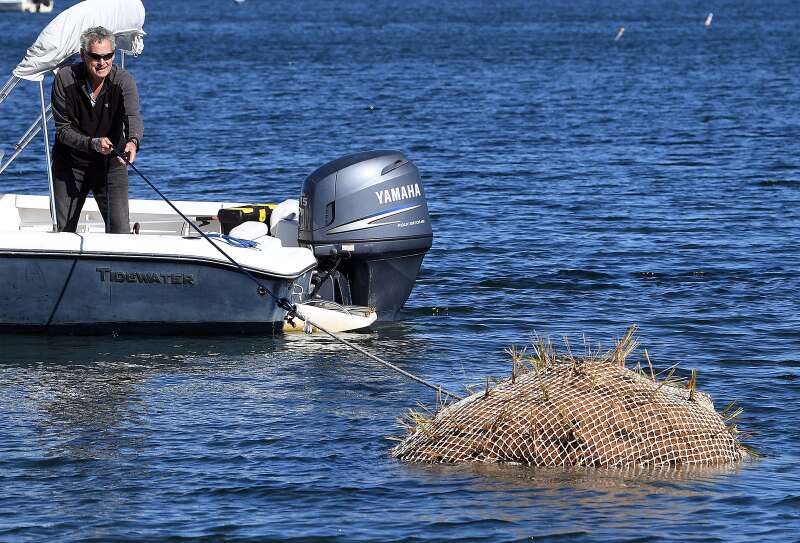
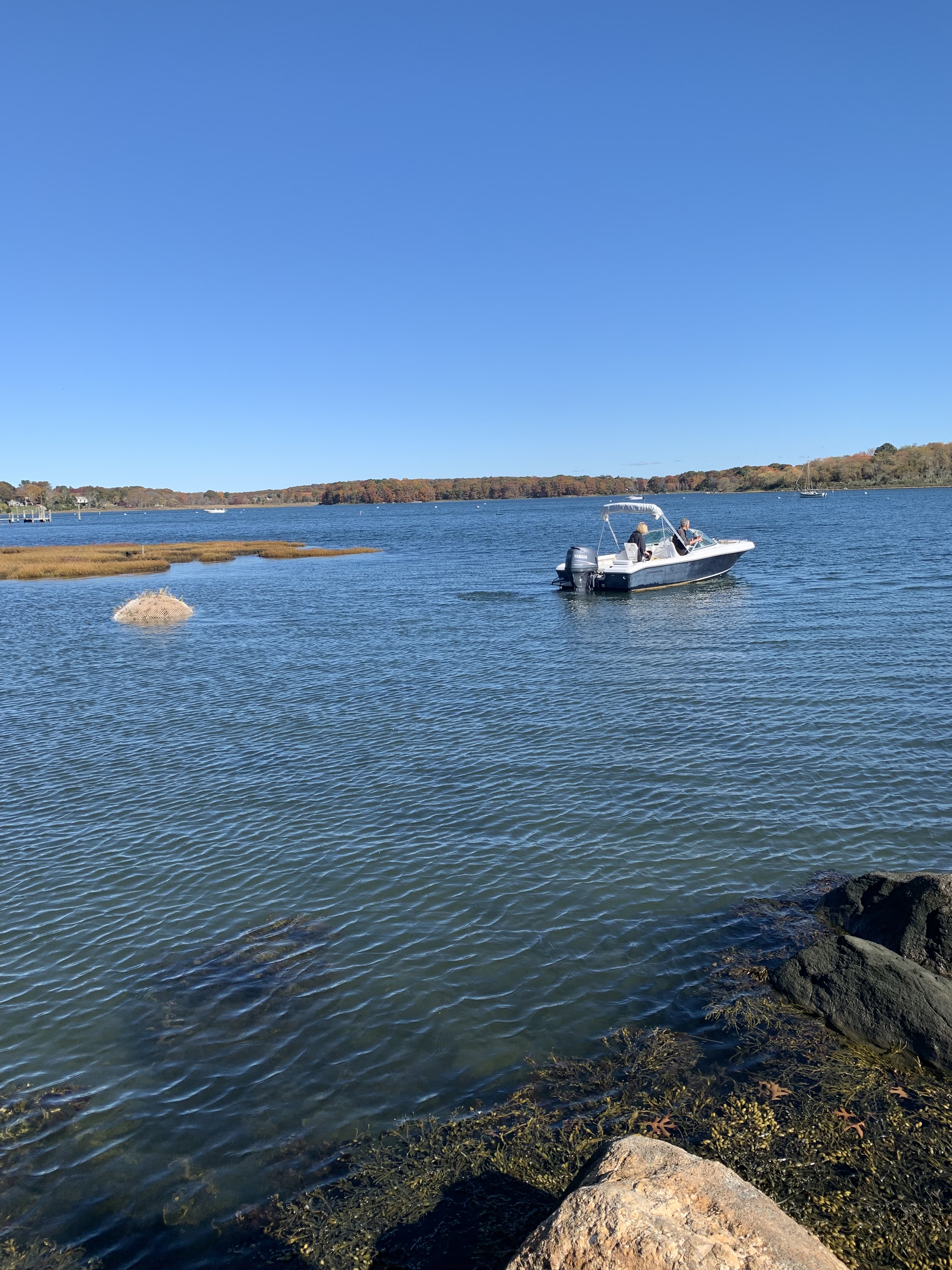
The specific site is on the eastern coast of Mason’s Island, which lies outside the mouth of the Mystic River at the eastern end of Long Island Sound. Direct exposure to the Atlantic Ocean allows significant offshore wind and wave energy to reach the site. The gently sloping shore is composed of mixed sediment including mud, sand, and gravel, and is variously vegetated. We deployed a single prototype there, anchored in a 5 to 15 foot tidal depth range, about 50 feet seaward of the fringing marsh.
Prototypes
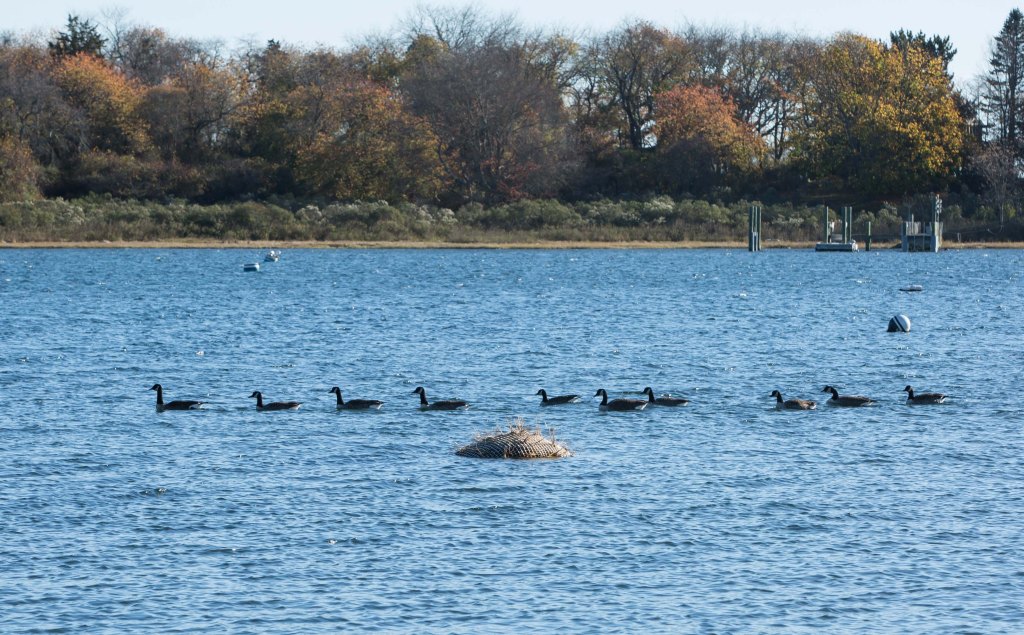
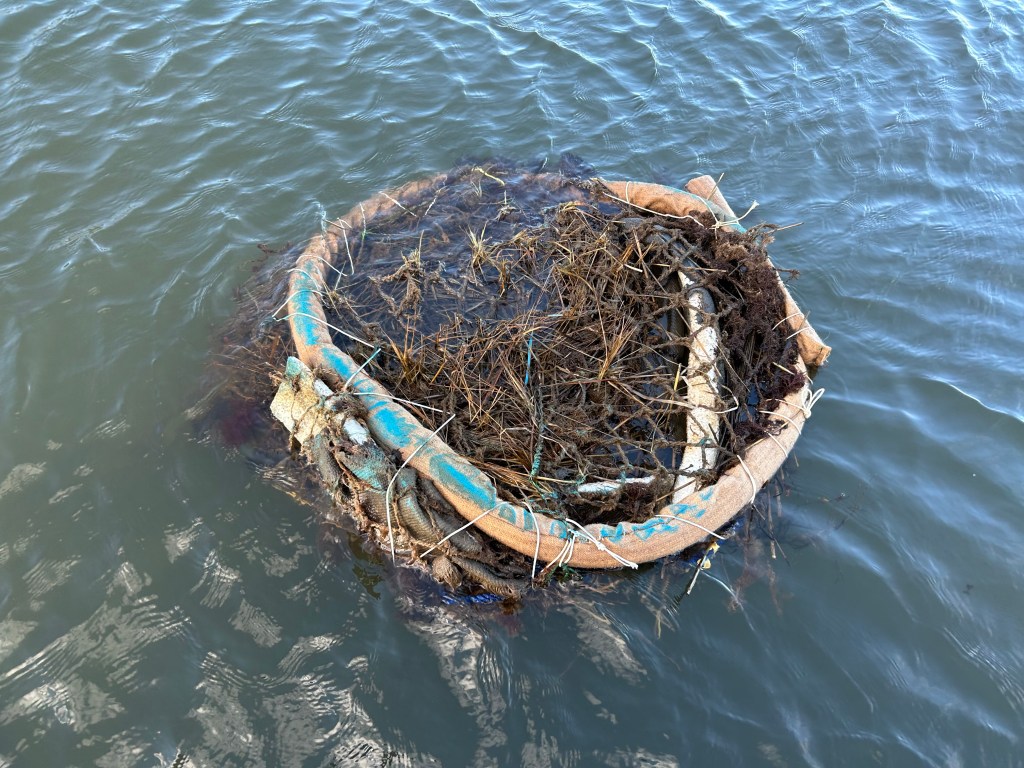
An early-stage prototype with a smaller 4 foot diameter was used in this location. This unit had foam included within the mass of the unit, rather than strapped to the bottom, which contributed to its ultimate deformation in this harsh location.
Monitoring
We made several site visits and teamed up with Mason’s Island residents as well researchers from the nearby Williams-Mystic Coastal and Ocean Studies Program, who provided a crash boat for us to do some unit maintenance. The Mason’s Island team led a citizen science monitoring effort based on our collection protocol, measuring Spartina alterniflora frond height, unit draft, and noting the marine species that colonized the prototype. They also witnessed the breakdown of the unit due to extreme ocean waves and the irregular forces that come with a single-mooring attachment system.

Successes & Failures
Successes:
- The local citizen science monitoring effort allowed us to keep track of our unit’s performance in a remote location; we received regular updates from afar.
- We learned first hand of the struggles of a local community facing the tangible coastal effects of climate change. They felt hamstrung by permitting burdens and beholden to external consultants and regulators, even though they were the people most familiar with the specific conditions and problems of their site.
Failures:
- Buoyancy force on the inner foam combined with more vigorous wave action and a single-point mooring caused damaging stratification within the unit.
- The Spartina alterniflora plants were able to survive in the unit, but did not have a chance to develop because they were too vigorously jostled.
 emerald-tutu.com